The Foundation of Exceptional F&B Concepts
Category
Articles
Time to read
3 MINS
Written by
Social F+B Consulting
Our
Approach
To creating and designing successful F&B concepts is firmly rooted in comprehensive market analysis and research. Each concept is meticulously crafted to resonate with its intended audience, ensuring it stands out in an increasingly competitive landscape. Our process is anchored by three core components: User Typologies, F&B Trends, and Market Immersions. These elements guide us in developing distinctive and effective F&B concepts.
User Typologies:
Understanding the Guest
The success of any F&B concept hinges on its ability to cater to the preferences and behaviours of its target audience. At Social F+B, we begin with an in-depth exploration of user typologies as part of our pre-market immersion. This process enables us to identify and understand guest profiles and in-market demographics, providing valuable insights into the desires and expectations of potential patrons.
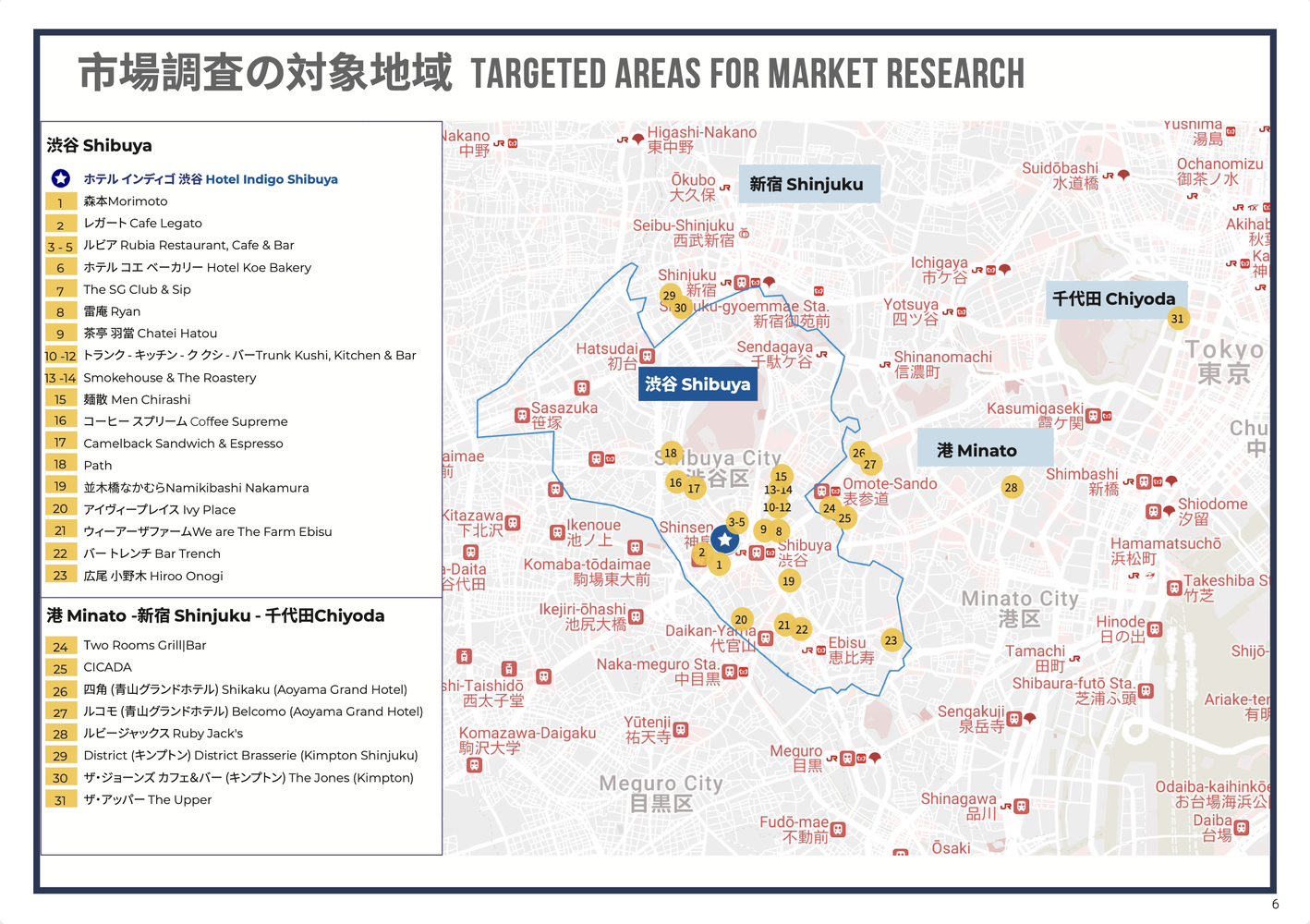
For example, during our work on the Kimpton Shibuya project, our pre-market desktop study identified Sophisticates, Socialisers, and Millennials/Gen Z as the primary target markets for our F&B concept. These segments were further validated through in-market research, which involved assessing the location to understand the surrounding businesses and potential customer base. This comprehensive approach allowed us to refine our target market strategy, ensuring the concept resonated with the identified demographic while remaining adaptable to the local business environment.
Recognising overarching trends and behaviours within specific demographics also allows us to strategically position our concepts. Whether it’s developing a casual dining experience tailored to busy professionals or a high-end restaurant that appeals to affluent tourists, our approach ensures that every concept aligns with its intended audience.
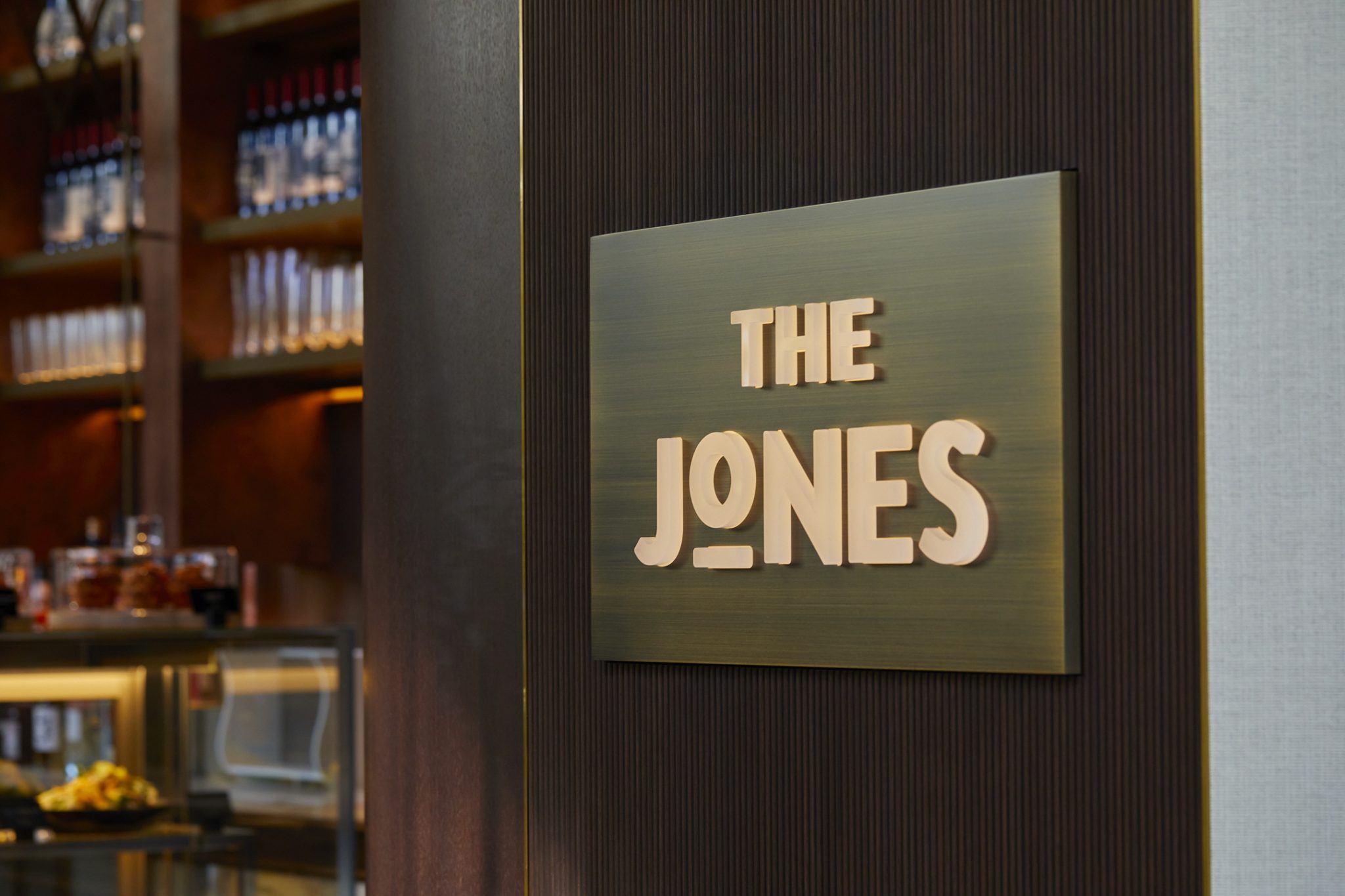
Image Credit: The Jones, Kimpton Shinjuku Tokyo
F&B Trends:
Local and Global Insights
Staying ahead of F&B trends is vital for creating concepts that are not only relevant today but also poised for future success. Local trends provide us with insights into regional preferences, cultural nuances, and emerging dining habits. These insights are critical as they directly influence consumer behaviour, allowing us to design concepts that resonate closely with the local clientele.
On a broader scale, global trends offer a panoramic view of evolving consumer expectations, innovative culinary techniques, and sustainability practices that are shaping the industry worldwide. By examining these global movements, we can create concepts that are not only relevant today but will remain viable and appealing in the years to come.
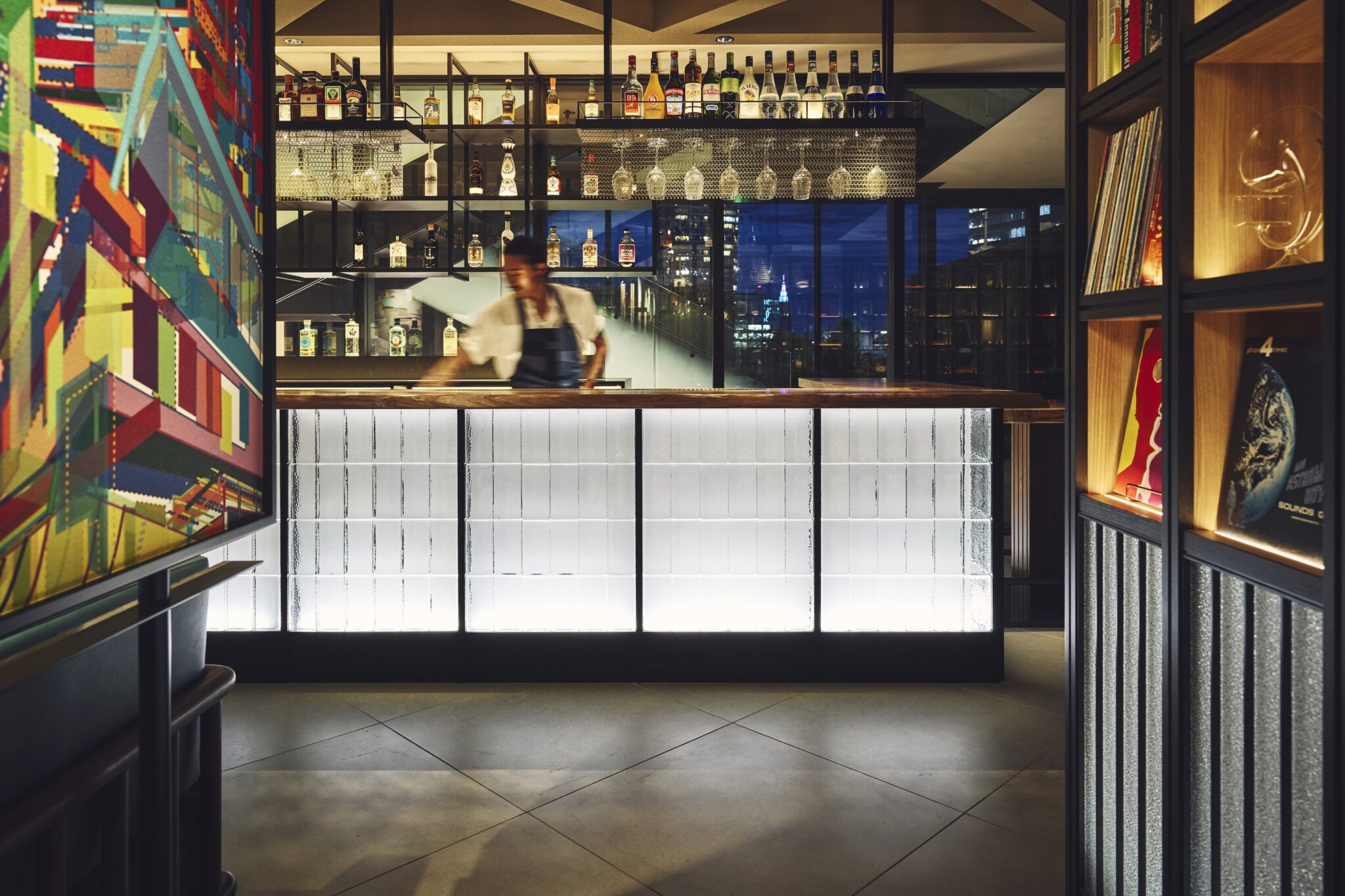
For instance, when conceptualising and designing Gallery 11 at Hotel Indigo Shibuya, we identified a local trend where intimate restaurants with direct access to the chef command a higher spend per head. In contrast, larger spaces are more approachable, with price points to match. By cleverly breaking up the larger restaurant into transformable spaces, we created a dynamic dining experience that meets the local preferences and expectations.
Image Credit: Gallery 11, Hotel Indigo Tokyo Shibuya
Leveraging Industry Expertise: Collaborating with Global Leaders
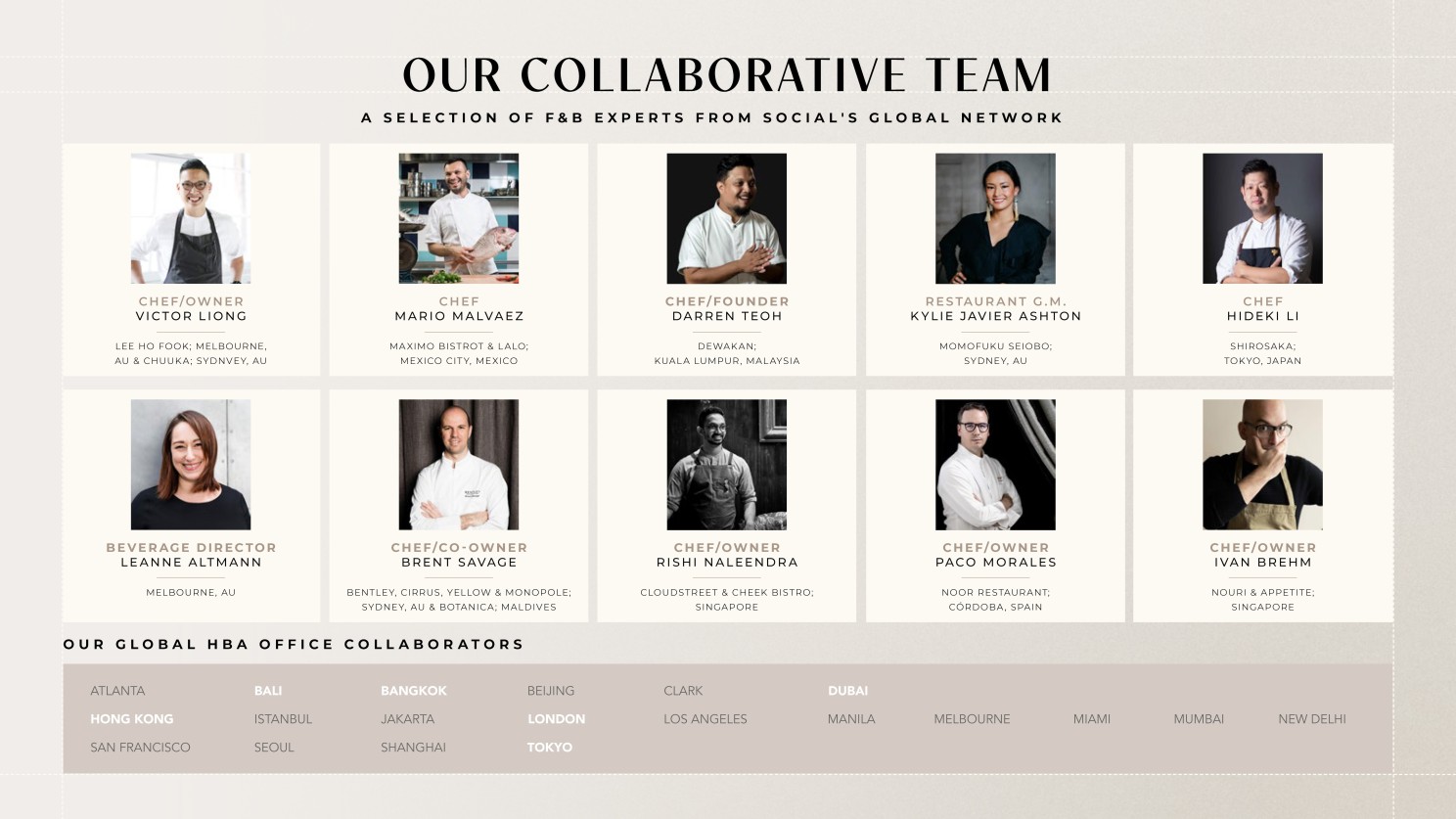
Beyond trend analysis, our process is further enriched by collaboration with a network of international industry professionals and leaders. We strategically select experts for each project and region, ensuring that their insights and expertise are tailored to the unique demands of the market. This collaborative approach enables us to enhance our internal expertise and provide our clients with the most informed and contextually relevant concepts possible.
Market Immersion:
In-Depth Local Understanding
Market immersion is not merely a step in our process—it’s the cornerstone of our approach to every project. Whether conducted by our team or on-site partners, this immersion involves generating research that uncovers critical insights into the competitive set, identifying best-in-class examples, and understanding local spending habits. This thorough evaluation allows us to design concepts that not only meet local demands but also stand out in a crowded and competitive environment.