Creating Lasting Impressions: Effective Branding Strategies for the Modern Hospitality Landscape
Category
Insights
Time to read
4 MINS
Written by
Social F+B Consulting
In the Ever-Evolving
Hospitality Industry
Branding has become far more than just a logo or a tagline—it is an immersive experience that touches every interaction between a guest and the brand. From the first social ads before guests even reach the door to the final farewell, branding shapes how guests perceive, engage with, and remember your restaurant or bar. In today’s hyper-competitive landscape, a strong and cohesive brand identity is more essential than ever to cultivate long-term loyalty and drive awareness.
The nuances of a well-defined brand identity extend beyond aesthetics; they create emotional connections and foster trust. Every detail—from the interior design and menu design to the tone of voice on social media—must reflect the same authentic message. When executed correctly, this consistency not only differentiates your establishment but also leaves a lasting impression that turns guests into advocates.
In this listicle, we will share five key insights, drawn from our extensive immersion in markets around the world, that are essential for developing a powerful branding strategy in the hospitality sector. These insights demonstrate how a strategic and holistic approach to branding can elevate every facet of the F&B experience, ensuring your brand becomes a lasting and memorable part of guests’ lives.
1. Independent Social Accounts for Hotels & Restaurants
In today’s digital landscape, a strong online presence is essential for building real-world interactions, with dedicated social media accounts for hotels and their restaurants allowing each to engage its unique audience and showcase distinct experiences and identity. Independent social accounts also allow for targeted content, tailored engagement strategies, and the ability to build a community around specific offerings. This separation enhances visibility, increases brand loyalty, and allows each entity to thrive in its own niche while still contributing to the overarching brand identity.
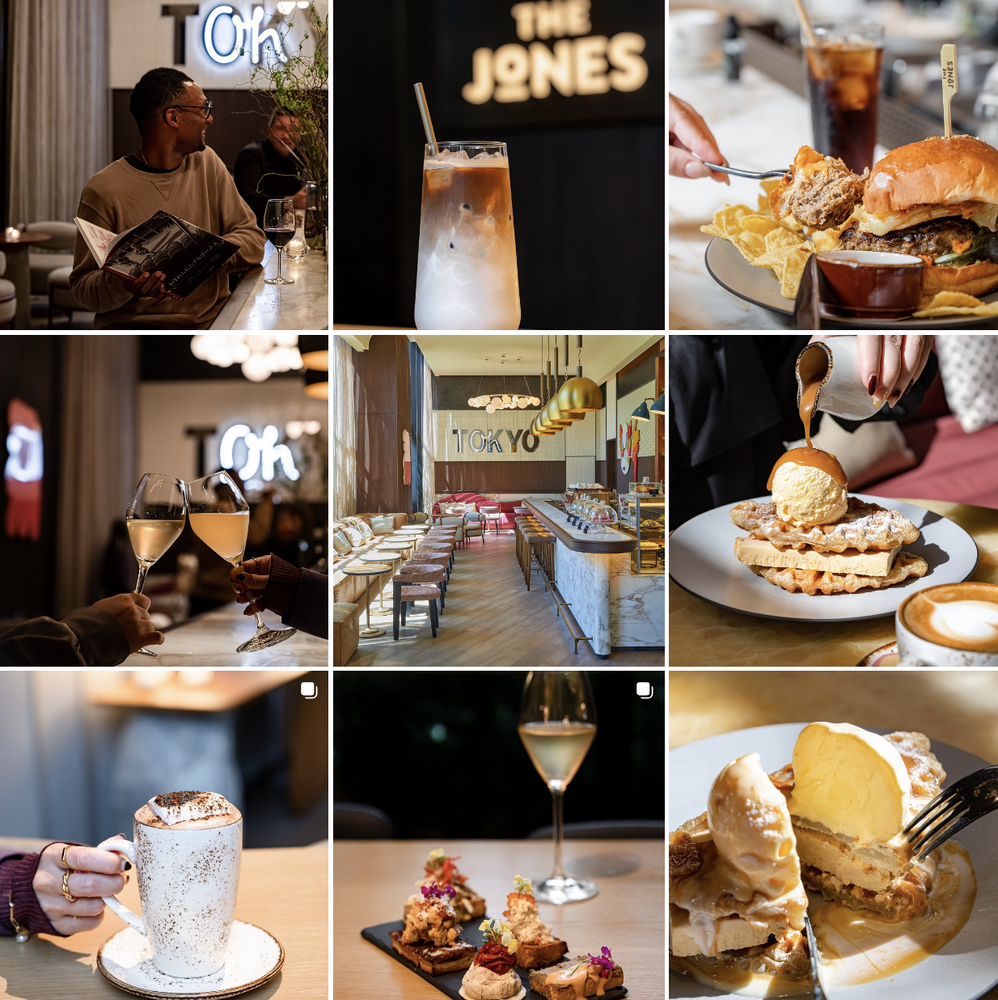
Our F&B concept and brand identity for The Jones Tokyo stands alone with its own Instagram account, fostering a unique community and building brand loyalty.
Image Credit: The Jones Café and Bar, Kimpton Shinjuku Tokyo
2. Localised & Authentic Appeal
Brands are increasingly weaving local culture into their identity, which often comes to life through design elements, architecture, and branding that reflect the heritage of the area. Incorporating local art and materials creates an atmosphere that resonates with both guests and the local community, elevating the overall guest experience. Effective storytelling also plays a crucial role in branding, as it can help convey a sense of place and connects the guest experience to local history and culture, fostering a deeper emotional connection to the surroundings.
Taking inspiration from Shibuya’s vibrant landscape and dessert culture, we developed an F&B concept and branding for Shibrewya, located within Hotel Indigo Shibuya.
Image Credit: Shibrewya, Hotel Indigo Shibuya Tokyo

3. Consistency in Brand Messaging
Often overlooked, maintaining consistency in branding across all touchpoints—both physical and experiential—is essential for building a strong brand identity. Consistency reinforces authenticity and helps guests clearly understand what the brand represents. Developing a brand book can guide the entire team in communicating the brand’s message effectively. However, while consistency is key, being responsive is equally important. Regularly gathering guest feedback ensures the brand message continues to resonate, allowing for necessary adjustments while staying true to the core identity.
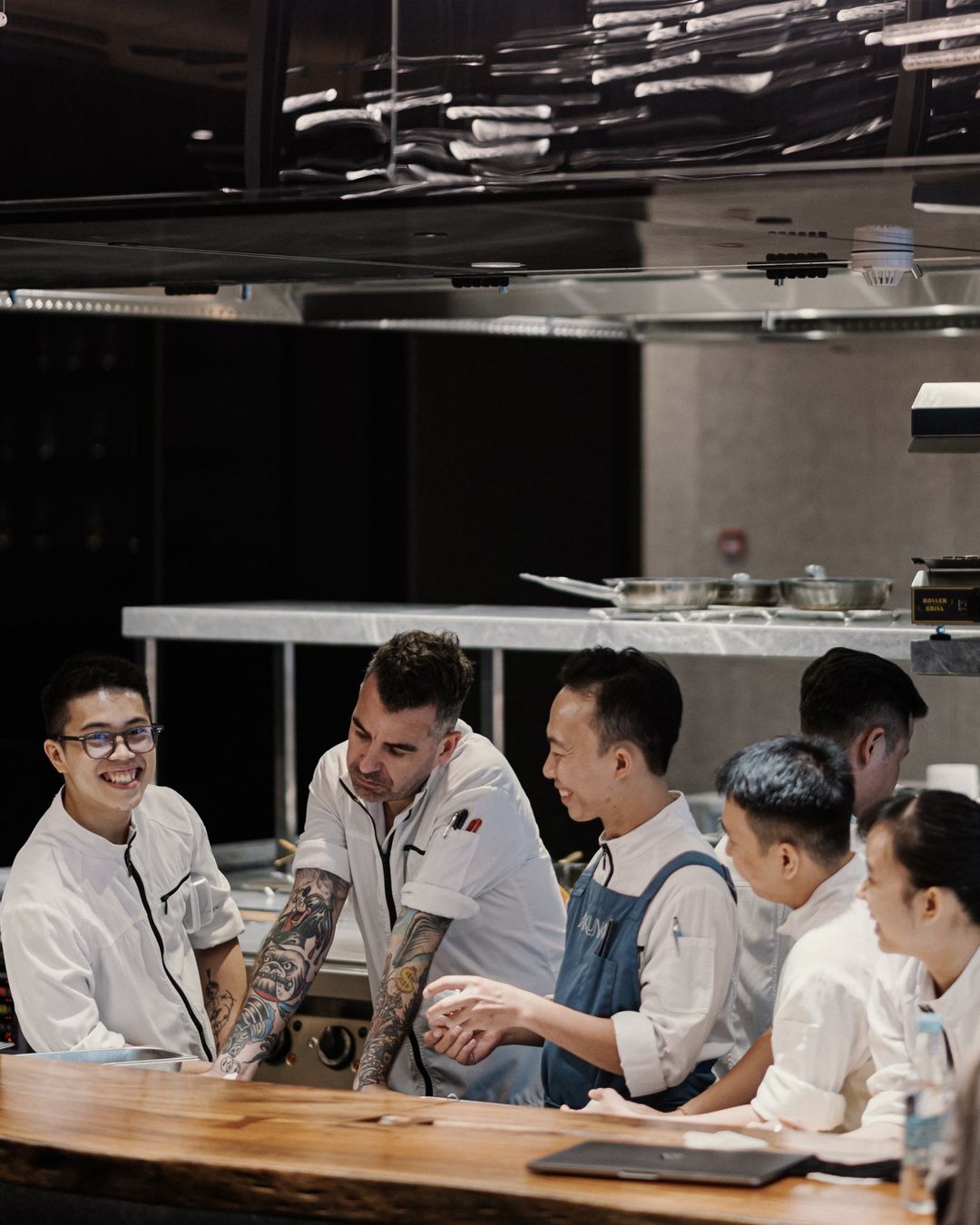
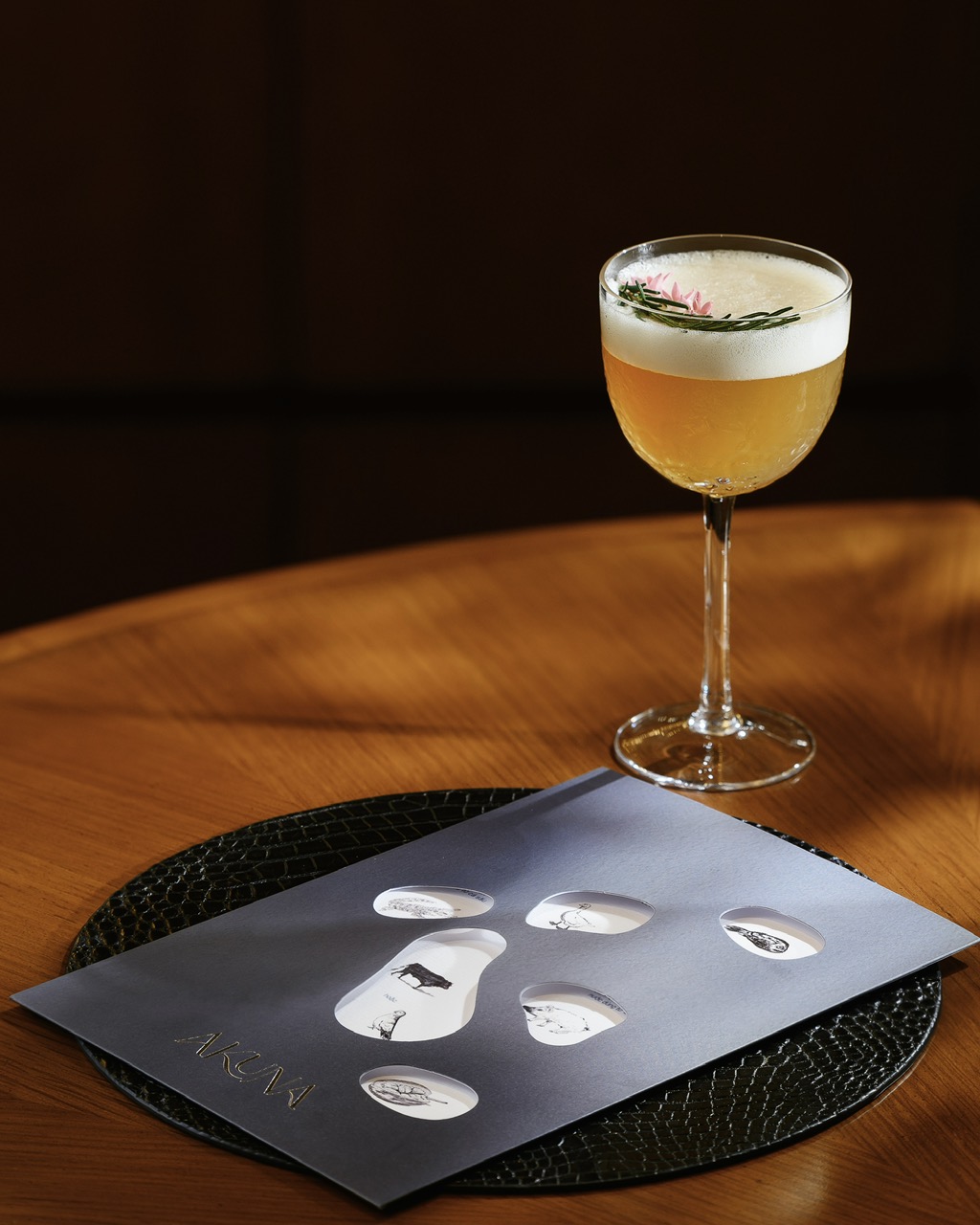
Working closely with Chef Sam Aisbett, we helped bring his vision for Akuna his upscale restaurant concept in HCH to life through a comprehensive brand style guide.
Image Credit: Akuna
4. Experience-driven Branding
Guests today expect more than just a meal—they want memorable experiences. Brands that stand out extend their branding to every physical aspect of the space, creating an immersive brand story for guests. This might include the presentation of the service team, the integration of brand motifs into the interior design, and the carefully selected scents—all contributing to a deeper connection with the brand on multiple levels.
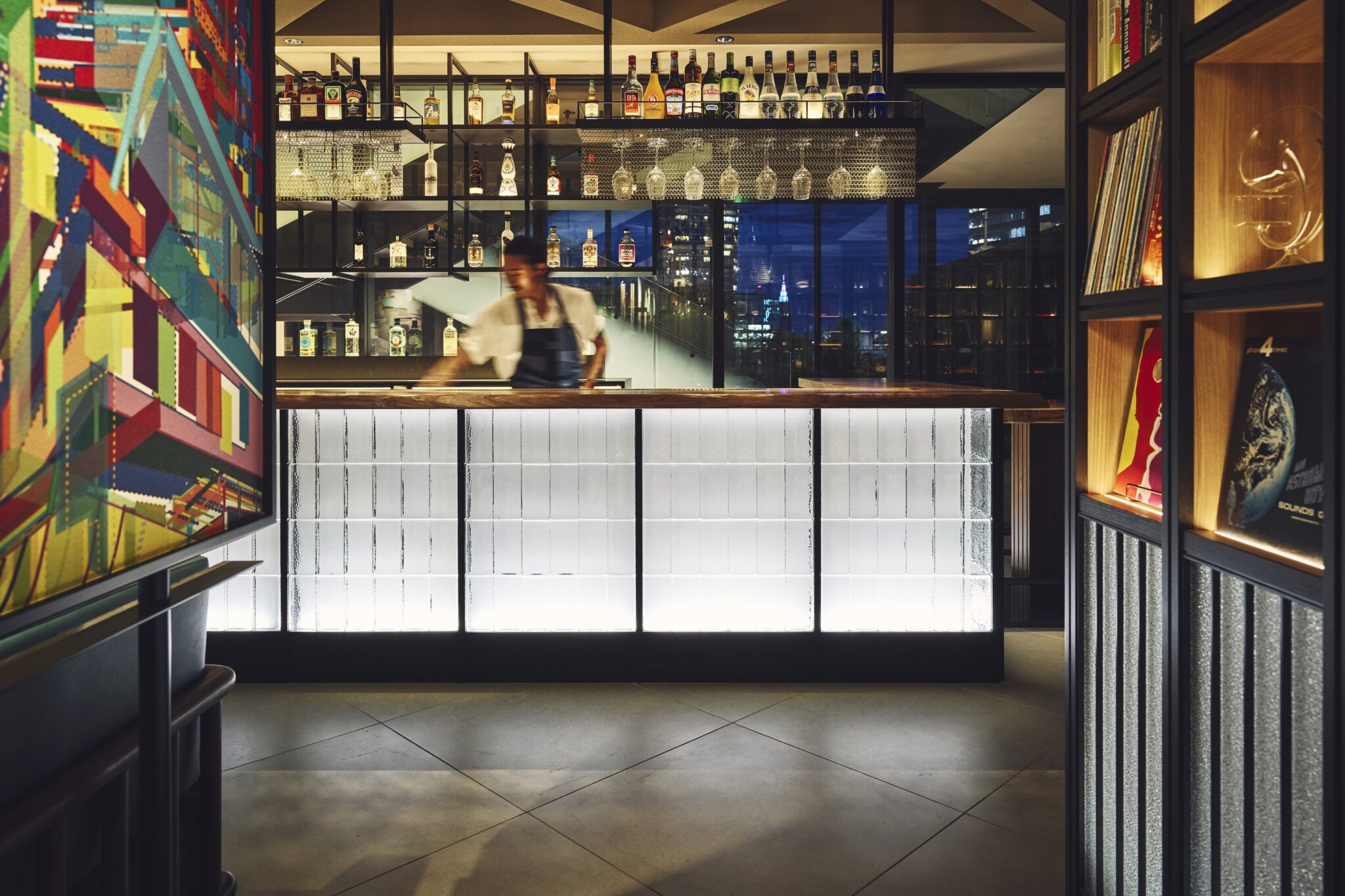
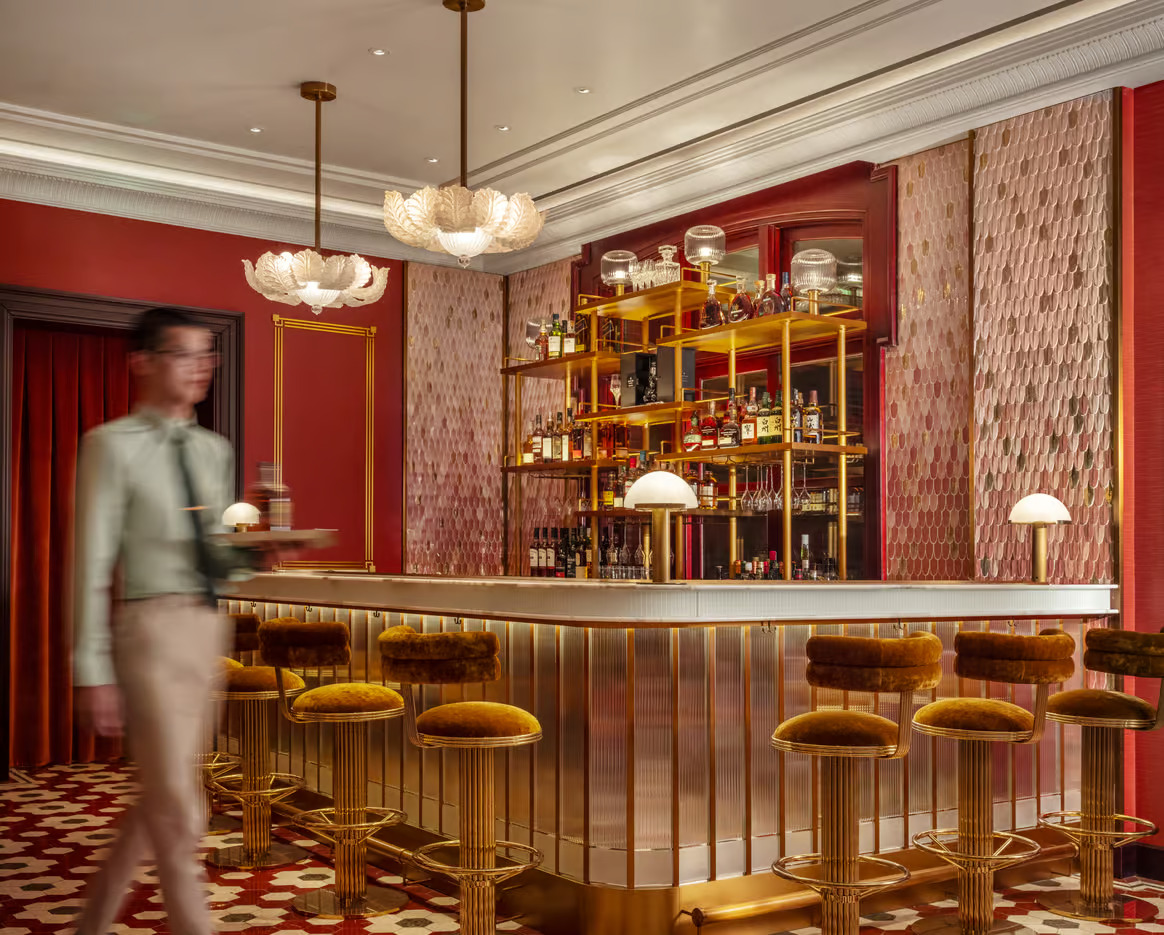
Rooted in the local beauty and legacy of Cha House, our design for Harrods Private Members Club – The Residence in Shanghai seamlessly integrates cladded Baccarat glass panels and subtle brand motifs that aligns with the brand experience.
Image Credit: Harrods Cha House
5. Branding for the ‘Gram
Today’s Instagram-driven culture gives brands more freedom to experiment with creativity and design. While photogenic dishes remain important, it’s equally crucial to extend “Instagrammable” moments to include the restaurant’s overall design and branding. Bold visual identities, unique tableware, and distinctive service rituals make the space as memorable as the meal, helping to create lasting brand loyalty and impression.
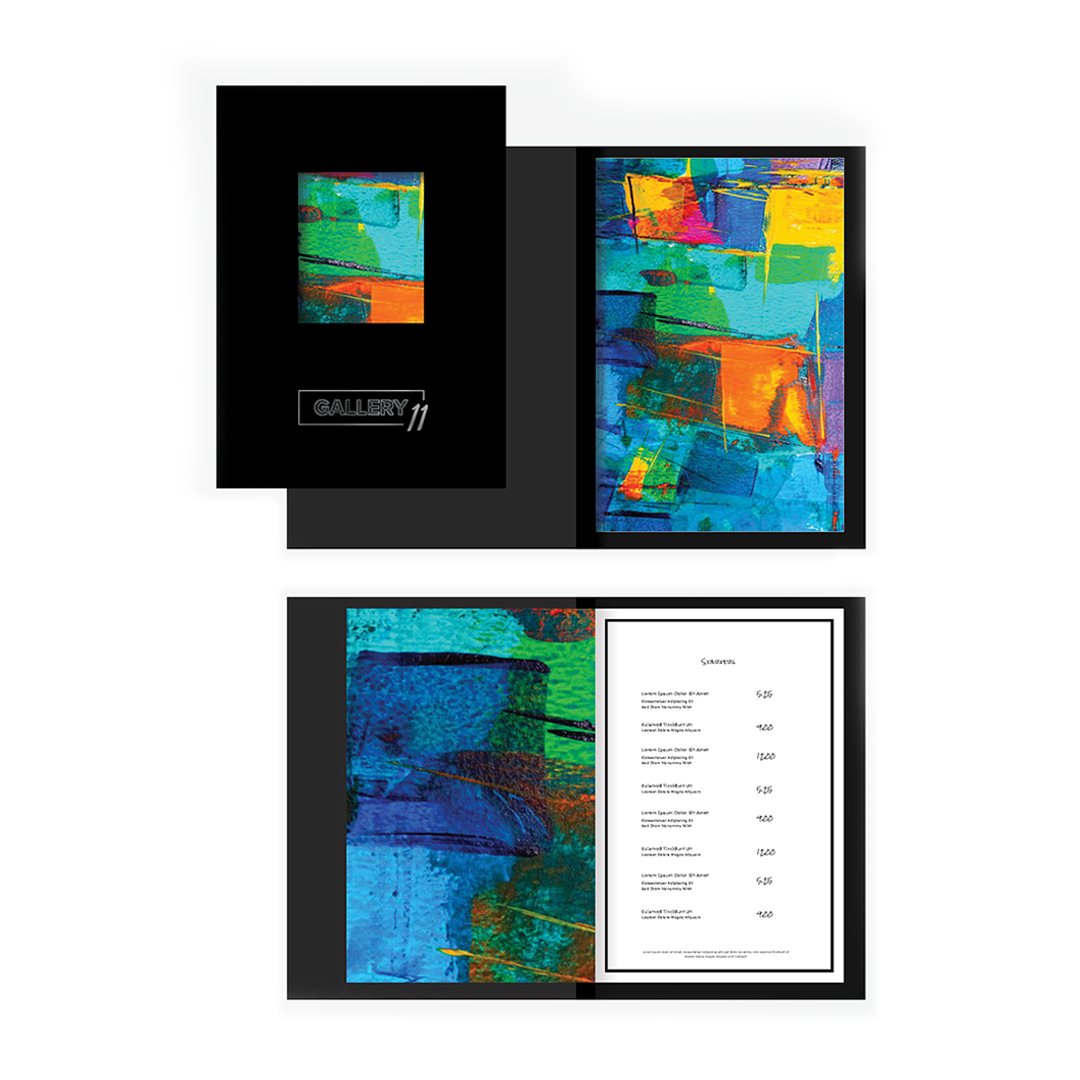
Drawing from a cohesive aesthetic across all touchpoints, our concept and branding for Gallery 11 shape a unique and memorable space that translates beautifully into Instagrammable moments.
Image Credit: Gallery 11, Hotel Indigo Tokyo Shibuya