
Designing Restaurants and Bars: A 2024 Roundup and Future Outlook
What Makes a Restaurant or Bar
Stand out in a Crowded Market Today?
As the boundaries between dining, entertainment, and social experiences continue to blur, design has become a critical tool for creating F&B destinations that resonate with guests. At Social F+B By Design we take a holistic approach to F&B design – we create, design and deliver exceptional restaurant concepts that work. In this round up, we explore the latest trends shaping F&B design, insights from our team and a glimpse into the future of the industry.
2024’s Key Design Trends
Shaping Restaurant and Bar Spaces
Flexibility and Functionality in Design
One of the most significant needs this year is the demand for flexible spaces that can adapt to different meal periods and functions. This is driven by changing consumer expectations and lifestyle needs, ADD venues in hotels have the need to transition seamlessly from breakfast service to specialty restaurants or downsize to increase operational efficiency.
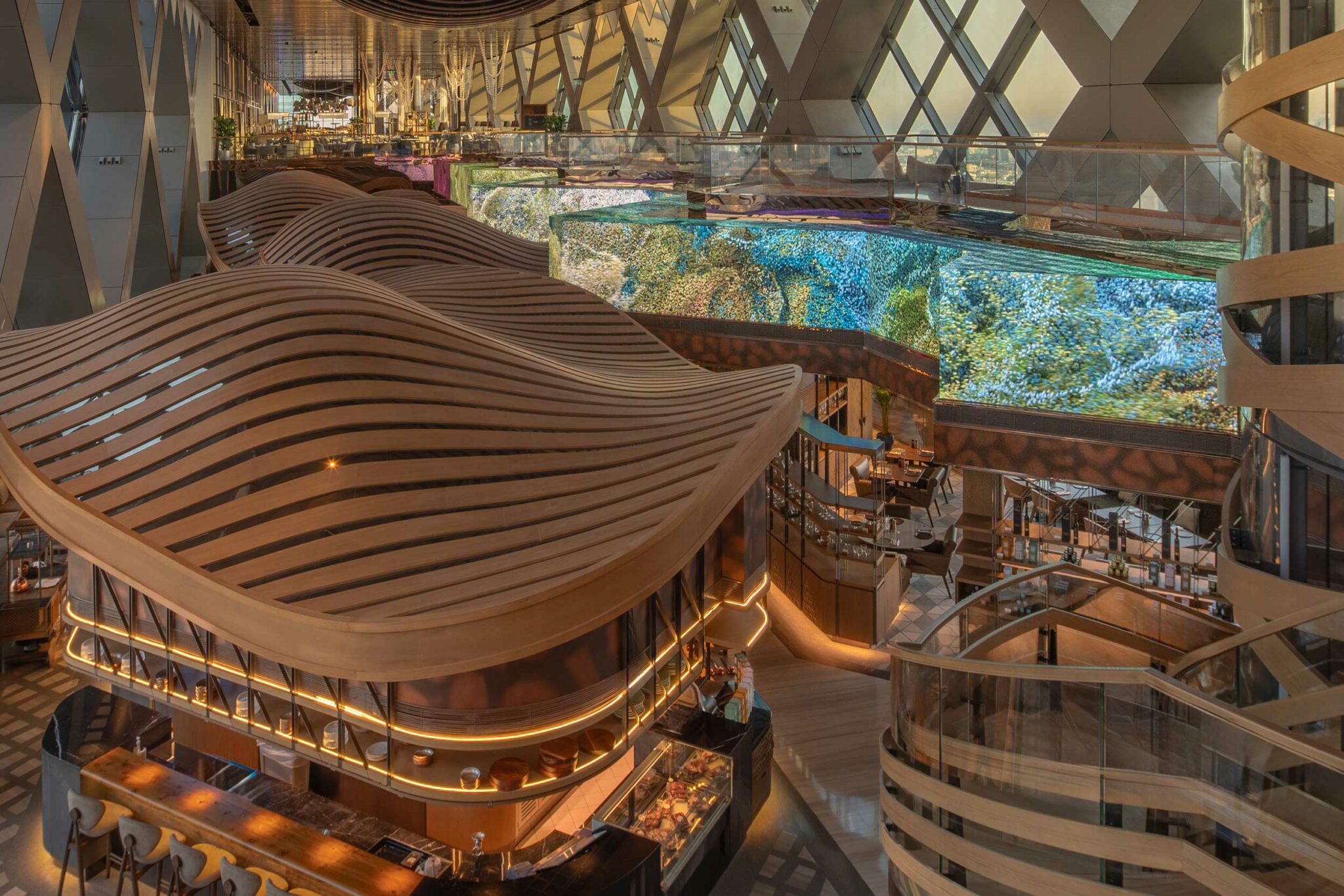
Arrazuna exemplifies this adaptability through its design and thoughtful planning. Each of the 16 counters spread across the food hall operates independently, supported by concealed pantries and vertical BOH connectivity, allowing for a dynamic shift in offerings throughout the day. The diverse seating arrangements and multi-functional shelving further contribute to its flexibility, enabling the space to accommodate varied dining experiences and retail opportunities without compromising its operational efficiency or aesthetic appeal.
“To create spaces that flex with different meal periods, we start by zoning the dining area into distinct sections. Then, we incorporate design elements like sliding partitions or adaptable dividers that seamlessly close off zones when needed. These features should not only be practical but also enhance the space’s aesthetic, ensuring they function beautifully in both open and closed states.”
Immersive, Multi-Sensory Experiences with a Story
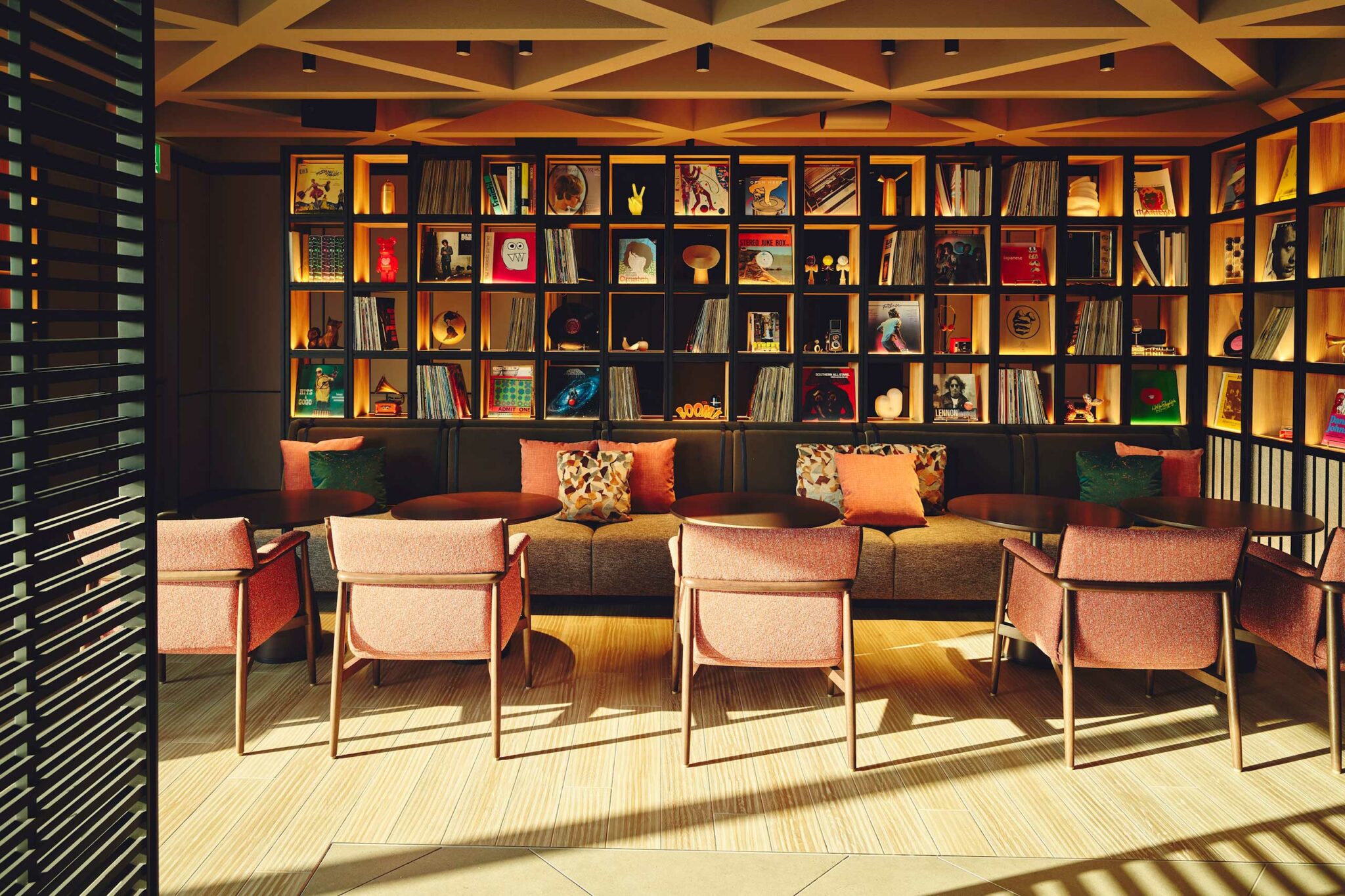
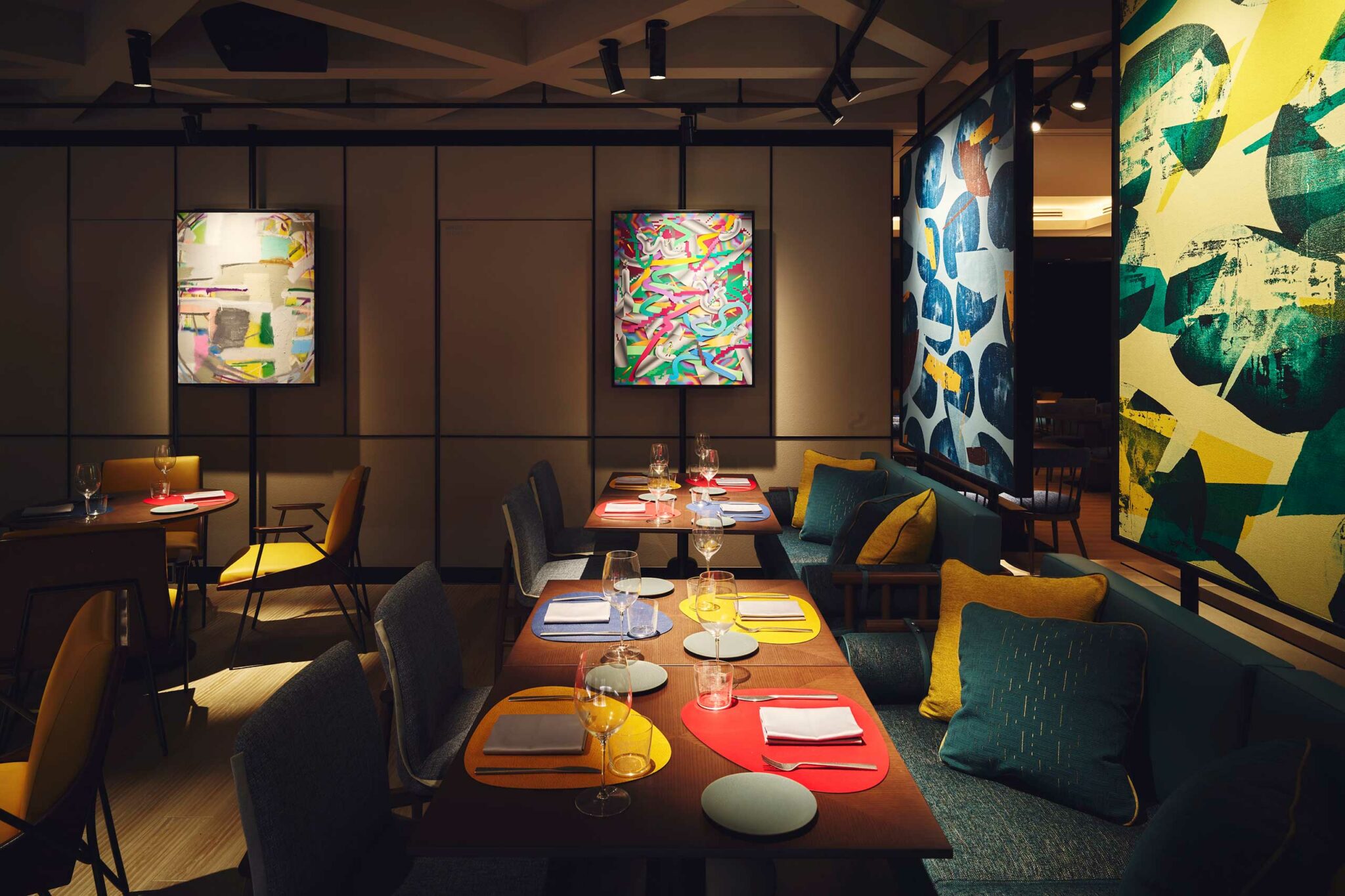
Guests are no longer simply seeking a meal—they now expect a fully immersive experience. From lighting and music to scent and tactile elements, the aim is to engage all five senses without overwhelming them, creating a truly memorable visit. When designing Gallery 11, we set out to immerse guests in the heart of the concept—an homage to Shibuya’s vibrant energy and its profound appreciation for local artistry. By carving out distinct zones, we created a dynamic balance between contrasting experiences, all brought to life through collaborations with local artists. The result is a seamless fusion of art, design, and storytelling.
Every detail in the space contributes to telling the rich, layered story of Shibuya. Within the restaurant, the library offers an intimate retreat, adorned with an eclectic collection that reflects the district’s unique personality. Bespoke elements, like a jeweled display fridge designed as a collector’s showcase, elevate the visual intrigue. Meanwhile, the bar becomes a transformative focal point, anchored by a theatrical light installation that shifts the ambiance from day to night.
“Great restaurant design doesn’t just look good; it feels good. By engaging the senses thoughtfully, we create spaces where guests feel connected to the story, the setting, and the experience as a whole."
Cultural Crossovers with Escapist Design Experiences
In 2024, restaurant design is evolving from simple cultural fusion to embrace deeper, multi-layered cross-cultural experiences. Modern restaurants are transforming into escapist environments that celebrate diverse culinary traditions through thoughtful, intentional design. Every element within the space contributes to a cohesive narrative, ensuring guests are immersed in a story that feels authentic and meaningful.
Restaurants are increasingly incorporating handcrafted design elements from multiple cultures, creating spaces that honour their culinary roots without falling into clichés. Guests dine surrounded by authentic artisanal pieces, each reflecting the heritage and craftsmanship of the cuisine. Interactive features, like open kitchens showcasing traditional techniques or bespoke installations highlighting cultural artistry, further enhance the experience.
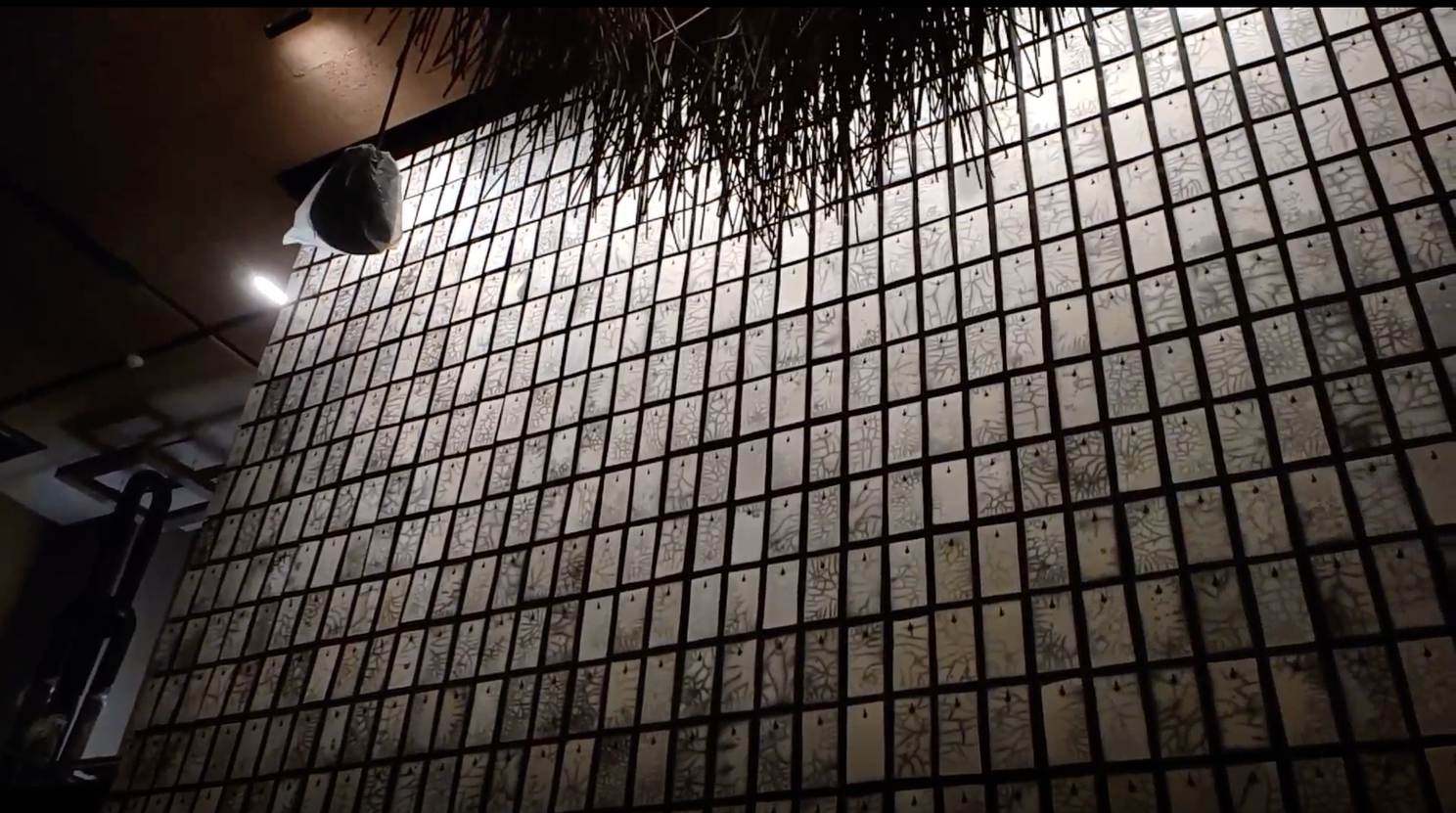
A prime example of this approach is our work on Aki & Jack’s, where we partnered with Bali-based Ceramic Designers GAYA Ceramic to create a visually unique centerpiece. Each tile in the installation was individually crafted using a kiln-pulling technique, resulting in organic cracks that evoke the textures of flame cooking. This design not only brings a sense of cultural authenticity but also aligns seamlessly with the restaurant’s concept of flame cooking, offering guests a rich and immersive connection to its story.
"When designing concepts that merge different cultures, it’s essential for designers to approach with cultural sensitivity, avoiding stereotypes and clichés. The aim should be to meet the expectations of today’s increasingly global and curious diners through thoughtful, sophisticated design that delivers an escapist experience while honouring authenticity."
What to Expect in F&B Design
in 2025 and Beyond
Emphasis on Wellbeing and Refuge
In 2025, we anticipate a growing trend in restaurant design that embraces the concept of an urban oasis—a serene refuge from the fast-paced hustle of city life. As people prioritise their mental and physical balance, they will increasingly seek dining spaces that offer calm, restorative environments. This shift will drive a rise in biophilic and biomorphic design, incorporating natural elements like greenery, organic shapes, and soothing textures to create harmonious spaces that nurture both body and mind. Restaurants will transform into havens where guests can recharge and reconnect, seamlessly blending mindful living with the dining experience.
Redefining Outdoor Spaces with Concepts Within Concepts
Outdoor spaces are evolving beyond mere extensions of indoor dining into destinations with distinct identities and purposes. Restaurants are embracing an “indoor-out” philosophy, transforming their outdoor areas into multi-functional environments that not only enhance guest experiences but also increase revenue through creative, layered concepts.
This strategy has given rise to “concepts within concepts,” where outdoor spaces become an experience of their own. For example, some restaurants are incorporating grow gardens into their outdoor areas, allowing guests to dine surrounded by the very ingredients used in their meals. These farm-to-table spaces offer interactive elements, such as guided tours or herb-picking activities, immersing diners in the culinary process.
Other innovative approaches of concept within concepts include featuring hidden chef counters offering a secluded exclusive dining experience as part of a larger restaurant or a bakery with a grab-and-go window within a separate room, catering to passerby without disrupting the bustling restaurant within.
Reimagining a Sense of Place
Luxury hospitality design is evolving beyond traditional notions of place-making to embrace a deeper connection with the stories, people, and traditions that define the locale. While a sense of place remains essential, tomorrow’s successful spaces will go further—crafting layered, authentic narratives that connect not just to geography but to the broader community and its makers.
This approach is brought to life through thoughtful material selection, exceptional craftsmanship, and collaborations with local chefs, farmers, and artisans. Restaurants might integrate elements like locally sourced produce, furniture crafted by regional makers, or storytelling menus that celebrate the history of the area. These partnerships fill spaces with a sense of purpose, allowing guests to engage with the narrative on a personal level.
Rather than relying on overt cultural symbols, this nuanced storytelling emerges through subtle details: a bespoke ceramic plate made by a local potter, a mural painted by a neighborhood artist, or a dish inspired by a chef’s childhood memories. These elements transform spaces into distinctive, meaningful destinations where every detail tells a story by connecting to more than just the locale—by weaving in the community, its craftspeople, and its heritage—hospitality design ensures guests experience a genuine sense of belonging and discovery that resonates long after their visit.