
Emerging Design and Experience Trends in Japan’s Restaurants and Bars
Category
Articles
Time to read
7 MINS
Written by
Social F+B Consulting
Japan's
Hospitality Landscape
is undergoing a quiet, confident transformation — one that delicately balances reverence for tradition with the changing rituals and expectations of a new generation of diners and drinkers.
At Social F+B, our insights are shaped by ground-level research and first-hand immersion in the market. Through project work across Tokyo, Osaka, Kyoto, and beyond, we’ve observed how restaurant and bar experiences are being redefined — not by loud reinvention, but by precise, intentional evolution.
This article distils those field learnings into key takeaways that hospitality developers, designers, and operators can apply to shape meaningful, market-relevant experiences in Japan and similarly design-conscious contexts.
The Power of Restraint:
Japan’s Subtle Modernisation of the Cocktail Bar
Japanese cocktail culture has long been defined by precision, ritual, and one-to-one intimacy. Today, this ethos is being reinterpreted in design-led venues that combine craft with a renewed spatial sensibility.
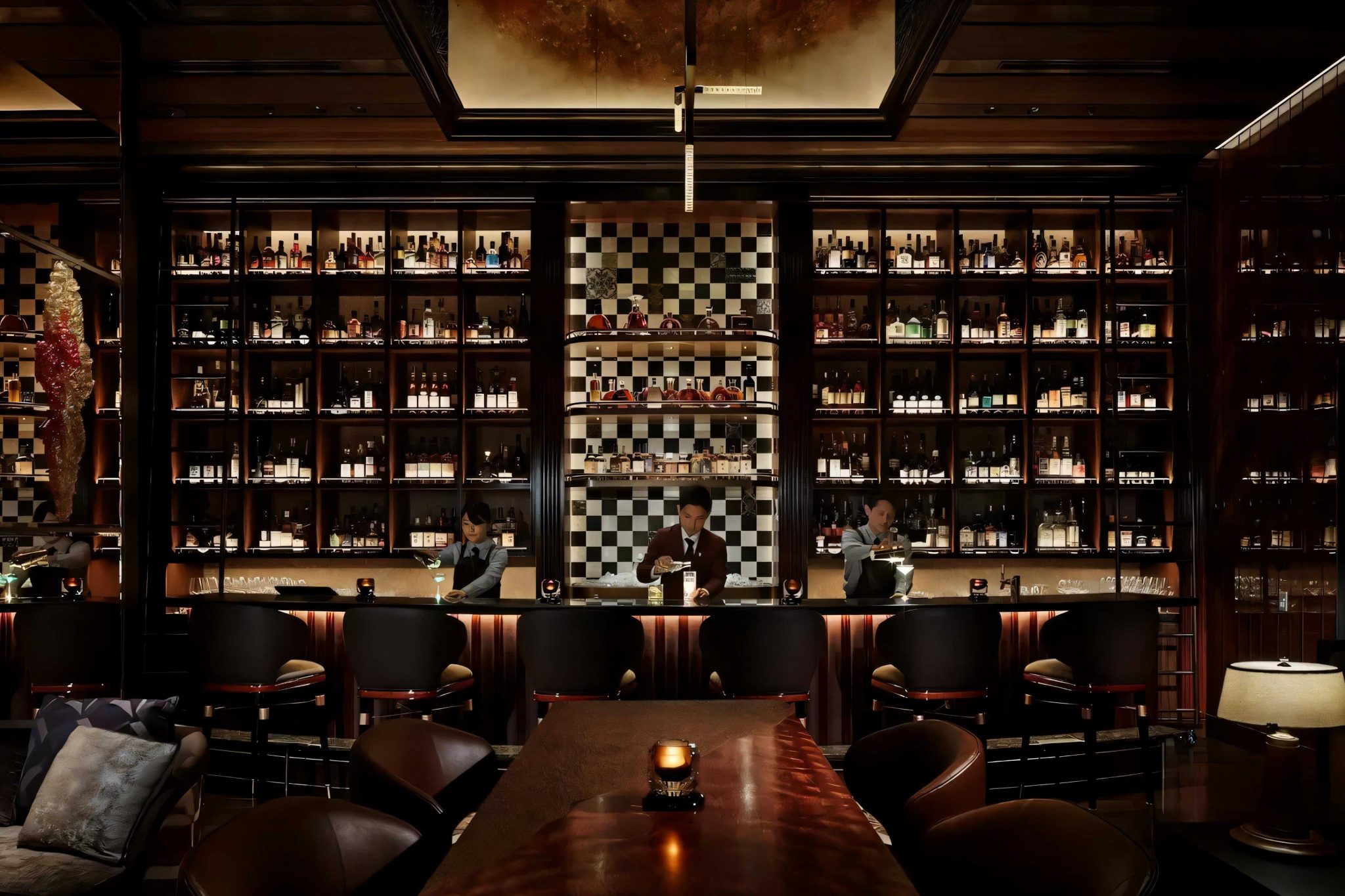
In Tokyo, VIRTÙ at Four Seasons Otemachi pairs floor-to-ceiling cityscape views from the 39th floor with an art deco-inspired interior of lacquered wood, stained glass, and bronze detailing — intentionally arranging service and spectacle in equal measure. Meanwhile, Tokyo Confidential in Azabu-Jūban frames its mixology through a more intimate, house-party tone: a reclaimed shrine-pine bar deck, a rooftop terrace overlooking Tokyo Tower, and a backbar that foregrounds Champagne and agave spirits alongside modern Japanese technique. Together, these bars demonstrate a shift away from overt flair toward refined atmosphere, design intentionality, and a guest journey curated at every touchpoint.
Alongside this, Japan’s craft-spirit movement is pushing creativity beyond familiar staples like Japanese whisky or Ginza-style classics. Distilleries are experimenting with Okinawan rum, regional botanicals, and Japan-made amaros and bitters, giving bartenders a new palette of terroir-driven flavours. Venues such as Nine Tails at Six Senses Kyoto, which uses exclusively Japanese spirits, exemplify this mindset — celebrating locality through both flavour and form.
This modernisation isn’t about abandoning heritage; it’s about designing precision for a contemporary context, where craft, materials, and mood work in harmony to create depth and restraint.
Image Credit: Virtù Four Seasons Tokyo
Drinking Light, Thinking Fresh:
Shifting Palates in the Japanese Market
Japanese drinkers — particularly younger demographics and women — are gravitating toward lighter, lower-ABV, and seasonally expressive cocktails. Refreshing, approachable, yet layered drinks are steadily replacing heavier, spirit-forward classics as everyday staples.
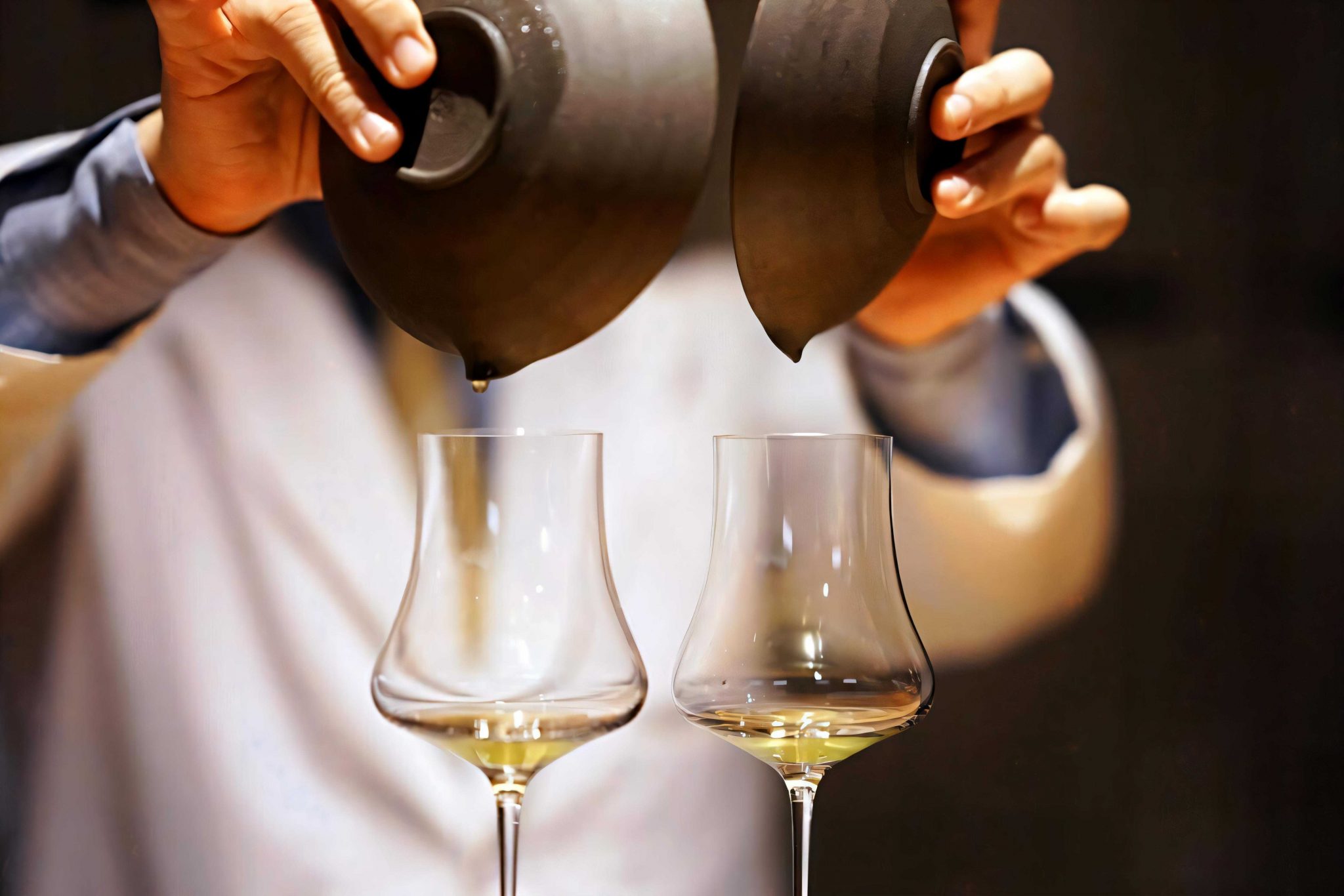
This shift is mirrored in menu design — integrating bitter and savoury notes, featuring low-alcohol compositions, and evolving offerings with the seasons. At Mixology Salon in Ginza, the team has launched a “tea-tail”series: cocktails built on single-origin Japanese teas, citrus essences, and house-made bitters, served in delicate glassware with an ABV often below 10%. Service is sequenced as three small pours over 90 minutes, encouraging pacing over volume and creating a tasting ritual rather than a drinking session.
Japan’s next wave of bars are designing for social connection, taste exploration, and lifestyle alignment, creating elegant experiences around lighter drinks.
Image Credit: Mixology Salon, Ginza
Afternoon Tea 2.0:
Designing for Prestige and Comfort
In the restaurant space, high tea in Japan offers a unique window into modern luxury. While food and beverage execution remains critical, our research consistently shows that perceived value hinges equally on emotional and atmospheric cues — prestige, personal reward, intuitive service, and a sense of timelessness.
The most compelling afternoon tea experiences today are those that resist over-modernisation while still feeling fresh. The design challenge is subtle: to feel current without losing recognisability, to create comfort without falling into cliché. Neutral tones, layered textiles, intuitive lighting, and elegant serviceware all speak volumes when tastefully combined.
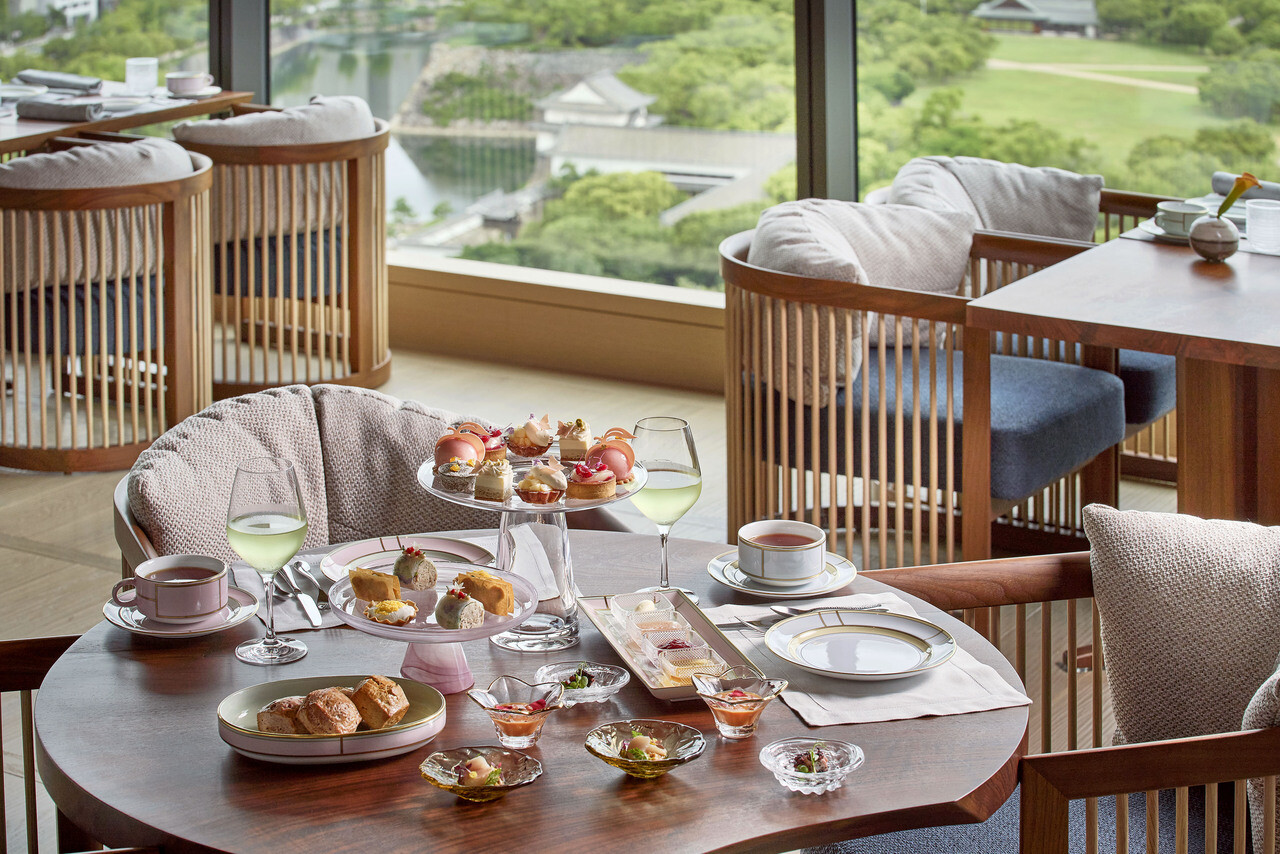
At Nijiri, the tea lounge at Patina Osaka, afternoon tea is reinterpreted through the quiet discipline of the Japanese tea ceremony. Each course is designed as a moment of calm, blending seasonal produce with organic, locally sourced teas that express the changing rhythm of the Kansai region. The space itself mirrors this philosophy — a serene composition of pale wood, washi paper, and natural light overlooking Osaka Castle Park. Every detail, from handcrafted ceramics to the pacing of service, embodies thoughtful restraint, making Nijiri a contemporary study in how design, seasonality, and ritual can together redefine modern luxury.
Image Credit: Nijiri, Patina Osaka
Concepts Within Concepts:
The Rise of Micro-Specialisation
Japan’s deep respect for mastery is giving rise to a new generation of micro-specialised venues — compact, high-focus experiences that excel in one discipline. These aren’t just popular in neighborhood streets; they’re increasingly appearing within hotel environments, offering guests a boutique-caliber experience inside a larger framework.
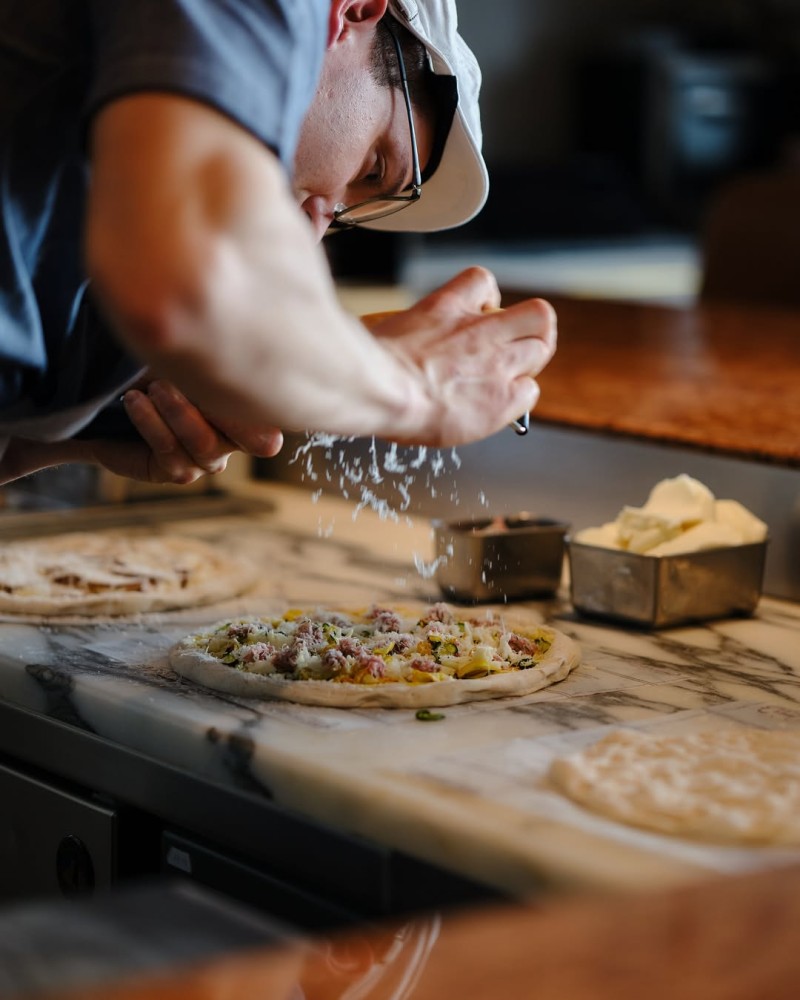
The Pizza Bar on 38th at the Mandarin Oriental, Tokyo — an eight-seat counter on the hotel’s dining floor that operates almost as an independent atelier. Helmed by chefs trained in Neapolitan tradition, it delivers an omakase-style pizza experience, each course prepared to order in a hand-built oven just steps from the guest. Its intimacy, material tactility, and singular craft transform what could be a casual staple into a culinary ritual.
For hotel operators, integrating such specialist outlets under one roof — each with its own visual identity, tone of voice, and operational rhythm — creates opportunities to diversify the experience while building strong, differentiating narratives. Treated as micro-brands within the whole, they inject precision, depth, and credibility into the broader hospitality ecosystem.
Image Credit: The Pizza Bar on the 38th, Mandarin Oriental Tokyo
Looking Forward:
Designing with Cultural Intelligence
Japan’s hospitality market is not only expanding — with new travellers, hotel openings, and refreshed restaurant concepts — it’s also becoming more diverse in sensibility. Guests are seeking experiences that feel globally fluent yet distinctly Japanese in their execution.